
Currently Empty: ₹0.00

0 Comments
A comfortable mattress is more than just a bedroom essential—it can make a significant difference to your sleeping experience. If you often wake up with back discomfort or feel that your mattress does not provide enough support, it may be time to reconsider your choice.
Choosing the best mattress for back support is not simply about selecting the firmest mattress available. The right mattress should provide a balance of support, comfort, and pressure relief while helping maintain a natural sleeping position.
Why Is Back Support Important in a Mattress?
When you sleep, your mattress should support your body evenly. A mattress that is too soft may allow your body to sink excessively, while an overly firm mattress may create pressure on areas such as the shoulders and hips.
A supportive mattress can help maintain better spinal alignment and provide a more comfortable sleeping surface throughout the night.
What Should You Look for in a Mattress for Back Support?
1. Proper Spinal Alignment
One of the most important factors is spinal alignment. Your mattress should support the natural curves of your spine rather than allowing your hips or shoulders to sink too deeply.
2. The Right Firmness
Firmness is a personal preference, but extremely soft or extremely firm mattresses may not be comfortable for everyone.
A medium-firm mattress can provide a useful balance between cushioning and support for many sleepers. However, your body type and sleeping position should also be considered.
3. Pressure Relief
A good mattress should distribute your body weight across the sleeping surface. Pressure relief around the shoulders, hips, and lower back can contribute to a more comfortable night’s sleep.
4. Quality Materials
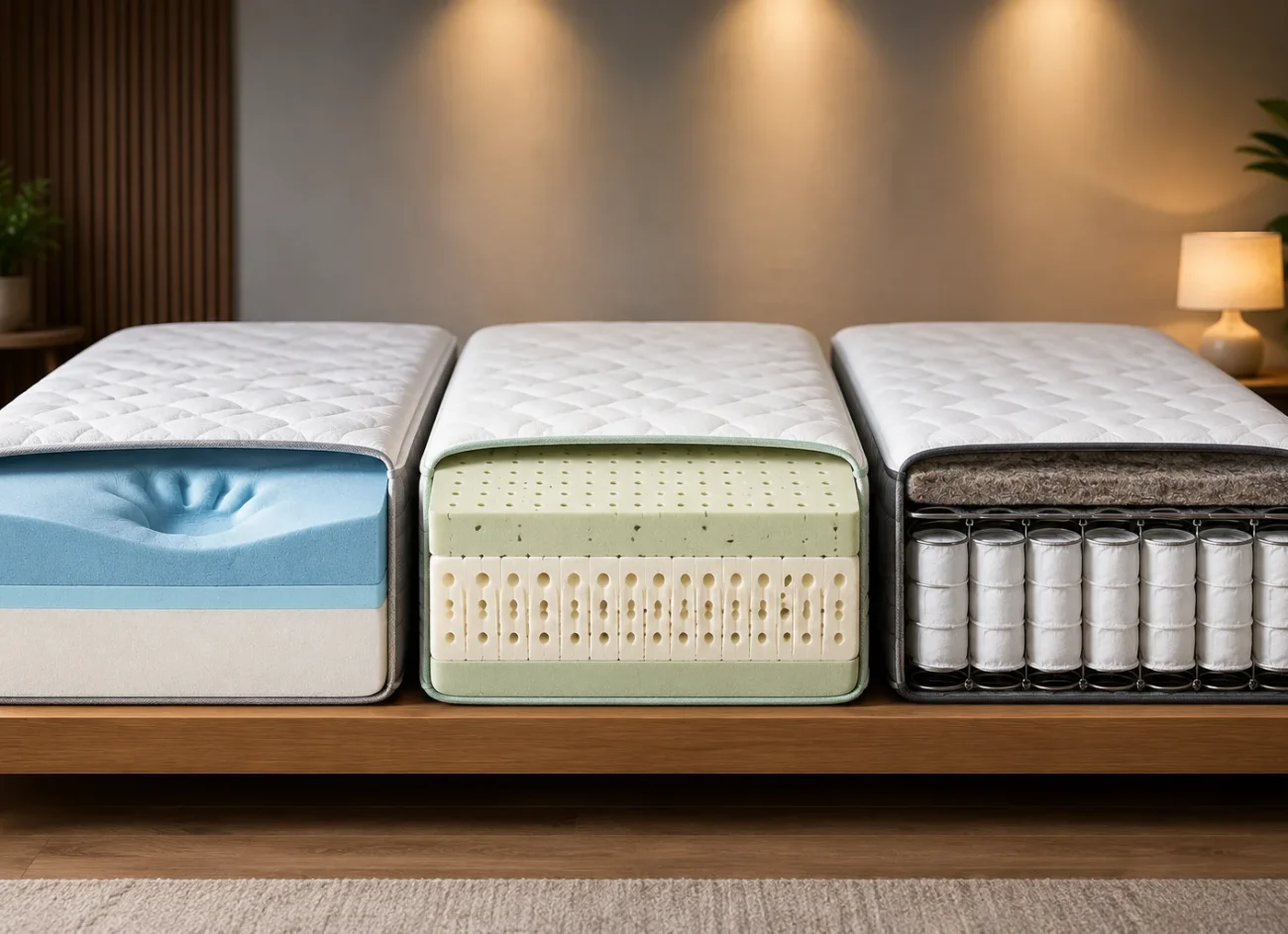
The materials used inside a mattress affect its feel, support, durability, and breathability. Latex, memory foam, springs, and hybrid constructions each offer different benefits.
A hybrid mattress, for example, can combine the responsive support of springs with the comfort of foam layers.
Which Mattress Type Is Best for Back Support?
There isn’t one mattress type that is universally best for everyone.
Latex mattresses can provide a supportive and responsive feel while offering good pressure distribution.
Memory foam mattresses contour to the body and can provide pressure relief, particularly around areas that experience greater pressure while sleeping.
Spring and hybrid mattresses can provide strong underlying support with additional comfort layers on top.
The best option depends on your individual comfort preferences, sleeping position, and support requirements.
Choose According to Your Sleeping Position
Your sleeping position should also influence your mattress choice.
Back sleepers generally benefit from a mattress that supports the natural curve of the lower back without allowing excessive sinking.
Side sleepers often need enough cushioning around the shoulders and hips while maintaining proper alignment.
Stomach sleepers usually benefit from adequate firmness to prevent excessive sinking around the hips and abdomen.
If you change positions during the night, consider a mattress that offers a good balance of support and responsiveness.
Don’t Focus Only on Firmness
A common misconception is that a harder mattress is always better for the back. In reality, comfort and support are different things.
A mattress can be firm without providing the right support for your body. Instead of choosing based solely on firmness, consider how well the mattress supports your body while keeping you comfortable.
How to Choose the Right Mattress
Before buying a mattress, consider:
- Your usual sleeping position
- Your preferred firmness level
- The type of mattress material
- Your body support requirements
- Mattress size
- Product warranty
- Durability and construction
- Your budget
If possible, test the mattress or check the manufacturer’s comfort and trial policies before making your final decision.
Final Thoughts
Choosing the best mattress for back support is a personal decision. The ideal mattress should provide a comfortable balance of support, pressure relief, and firmness based on your individual sleeping habits.
Rather than choosing a mattress simply because it is labelled “orthopedic” or “firm,” look at its construction, materials, support system, and suitability for your sleeping position.
A carefully chosen mattress can help create a more comfortable sleep environment and make your nightly rest more enjoyable.


